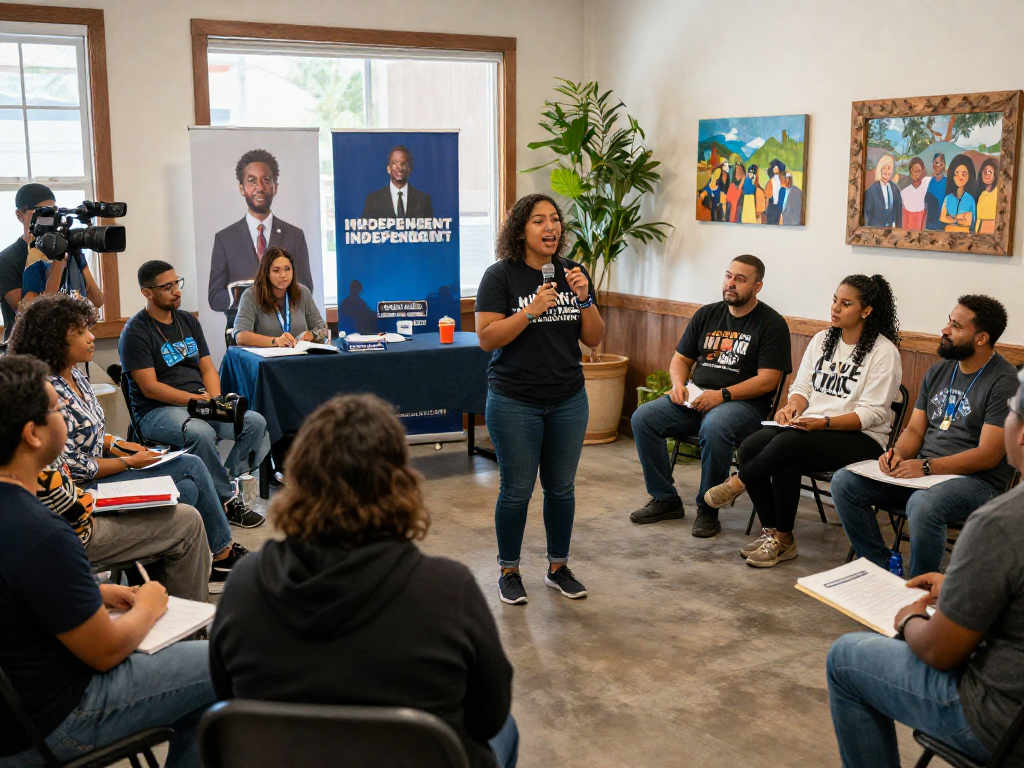
Understanding Independent Candidate Marketing
Independent candidates face a unique set of challenges in political campaigns, requiring distinct strategies to engage voters effectively. As elections evolve, the importance of a well-defined marketing plan becomes paramount. In this article, we explore the intricacies of independent candidate marketing, the key role of voter data, and practical strategies that can help independent candidates break through the noise and connect with their constituency. Understanding these elements can significantly enhance the chances of success in a competitive political landscape.
Effective independent candidate marketing starts with a strong foundation of voter data, allowing candidates to tailor their messages and outreach efforts to the specific demographics of their district.
What is Independent Candidate Marketing?
Independent candidate marketing refers to the strategies and methods used by candidates who do not affiliate with the traditional political parties. Unlike party candidates who often have established infrastructures and networks, independents must create their brand from the ground up. This involves not only defining their political stance but also effectively communicating it to potential voters.
Key components of independent candidate marketing include:
- Establishing a clear and compelling campaign message.
- Utilizing various media platforms for outreach.
- Implementing targeted advertising campaigns.
- Engaging in grassroots organizing to build community support.
The Importance of Voter Data in Campaigns
Data serves as the backbone of any successful political campaign. For independent candidates, understanding the electorate is crucial for effective outreach and message crafting. Access to comprehensive voter data allows candidates to identify key demographics, assess voter preferences, and evaluate the most effective channels for communication.
Voter data analytics can enhance campaign strategies through:
- Targeting specific voter segments based on behavior and preferences.
- Refining campaign messages to resonate more deeply with different groups.
- Tracking engagement and response rates for continuous improvement.
Common Challenges for Independent Candidates
Independent candidates often encounter significant hurdles that can hinder their campaigns. Some of the most common challenges include:
- Limited funding compared to party-affiliated candidates.
- Difficulty in gaining media coverage and public recognition.
- Navigating the intricacies of election laws and regulations.
- Building a volunteer base and mobilizing supporters effectively.
Addressing these challenges requires innovative solutions and a strategic approach that leverages available resources effectively.
Leveraging Voter Data for Targeted Campaigning
To successfully engage voters, independent candidates must leverage voter data strategically. This involves understanding which data points are most relevant and how they can inform campaign decisions.
Strategies for Effective Voter Data Collection
Collecting accurate and up-to-date voter data is essential for independent candidates to make informed decisions. Effective strategies include:
- Integrating online voter registration systems to capture new voters.
- Utilizing social media surveys to gauge public opinion and preferences.
- Partnering with organizations that provide access to voter databases.
By employing these strategies, candidates can build a comprehensive database to inform their campaign efforts.
Segmentation Techniques for Tailored Messaging
Once voter data is collected, segmentation becomes crucial. By categorizing voters into specific groups based on demographics, behaviors, and interests, independent candidates can tailor their messaging to meet the needs of each segment. Techniques for effective segmentation include:
- Demographic segmentation: Age, gender, income, and education level.
- Behavioral segmentation: Voting history, social media engagement, and community involvement.
- Psychographic segmentation: Values, beliefs, and lifestyle choices.
Tailored communications resonate more profoundly, fostering a stronger connection with diverse voter groups.
Tools and Resources for Data-Driven Campaigns
Independent candidates can access a variety of tools and resources to aid in their data-driven campaigns. From voter analytics software to online survey platforms, the right tools can streamline the campaign process and enhance voter engagement. Popular options include:
- CRM systems to manage voter relationships.
- Data analytics platforms to analyze campaign performance.
- Social media management tools to track engagement and outreach.
Investing in these tools can provide significant returns in terms of campaign efficacy and voter reach.
Building a Powerful Campaign Strategy
A well-rounded campaign strategy is vital for independent candidates aiming to make an impact. This strategy should incorporate message crafting, digital marketing efforts, and social media engagement.
Crafting Your Campaign Message
The message is the heart of any campaign. Independent candidates must develop a message that reflects their values and resonates with voters. This includes:
- Clearly articulating their political positions and motivations.
- Addressing key issues that matter to their target audience.
- Creating a compelling narrative that connects with voters on a personal level.
A strong message can significantly influence voter perception and drive support.
Integrating Digital Marketing for Maximum Reach
Digital marketing is a powerful tool for independent candidates seeking to maximize their outreach. Key tactics include:
- Creating an engaging campaign website that serves as a hub for information.
- Utilizing search engine optimization (SEO) to increase visibility.
- Implementing pay-per-click (PPC) advertising to target specific voter demographics.
Through effective digital marketing, candidates can enhance their visibility and attract a broader audience.
Using Social Media to Engage Voters
Social media platforms are invaluable tools for engaging with potential voters. Independent candidates should:
- Develop a consistent posting schedule for updates and campaign news.
- Use targeted ads to reach specific demographics.
- Engage directly with voters through comments and messages.
Active social media engagement fosters a sense of community and connection with the campaign.
Best Practices in Political Marketing
To navigate the complexities of political marketing, independent candidates must adhere to best practices that ensure compliance and transparency.
Creating Transparent Pricing Models
Transparency in pricing is critical to building trust with voters and donors. Independent candidates should clearly outline campaign expenses and fundraising goals. This includes:
- Detailing how funds will be allocated to various campaign activities.
- Providing regular updates on financial status and expenditures.
- Ensuring that all contributions and spending are clearly documented and accessible.
Transparency can enhance credibility and encourage greater support.
Compliance with FEC Regulations
All campaign activities must comply with Federal Election Commission (FEC) regulations. Independent candidates should be well-versed in these regulations to avoid potential pitfalls. Compliance includes:
- Accurately reporting contributions and expenditures.
- Adhering to campaign financing limitations.
- Providing clear disclosures in all campaign materials.
Proper compliance not only protects candidates legally but also enhances their reputation among voters.
Success Metrics for Campaign Evaluation
Evaluating the success of a campaign involves monitoring various key performance indicators (KPIs). Candidates should focus on metrics such as:
- Voter engagement rates across different platforms.
- Fundraising progress and donor engagement.
- Polling data and voter sentiment analysis.
Continuous evaluation allows for adjustments in strategy to maximize campaign effectiveness.
Future Trends in Independent Candidate Marketing
As the political landscape evolves, so too do the strategies employed by independent candidates. Staying informed about emerging trends is crucial for future success.
Technological Innovations for Campaigning
Technological advancements are transforming how campaigns are run. Emerging tools and solutions include:
- Artificial intelligence for data analysis and voter targeting.
- Blockchain technology for transparent fundraising.
- Augmented reality (AR) for engaging voter experiences.
Embracing these innovations can give independent candidates a competitive edge in the electoral arena.
The Impact of Social Movements on Campaign Strategies
The rise of social movements can significantly influence independent candidates' campaign strategies. Understanding the priorities and concerns of these movements allows candidates to align their messaging for greater resonance. This includes:
- Engaging with grassroots movements to build support.
- Incorporating relevant social issues into campaign platforms.
- Positioning themselves as advocates for change within their communities.
Recognizing the power of social movements can enhance a candidate's appeal and mobilize voter support.
Preparing for Elections in 2026 and Beyond
Looking ahead to the 2026 elections, independent candidates must plan proactively to adapt to changes in voter behavior and technological advancements. Key considerations include:
- Adapting to evolving voter preferences and concerns.
- Investing in advanced data analytics for targeted campaigning.
- Building a resilient campaign infrastructure capable of handling digital and traditional outreach.
Preparation is essential for any candidate aspiring to make a mark in an increasingly complex political landscape.
What are the benefits of independent candidate marketing?
Independent candidate marketing offers numerous benefits, including the ability to connect authentically with voters, leverage grassroots support, and pursue innovative strategies unbound by party constraints. These advantages can help independent candidates carve out a distinct identity in an often crowded electoral field.
How can I leverage data for my independent campaign?
Leveraging data involves collecting comprehensive voter data, analyzing trends, and utilizing insights to inform campaign strategies. Tools like voter databases, social media analytics, and demographic research can facilitate targeted outreach and personalized messaging to resonate more deeply with constituents.
What challenges do independent candidates face?
Independent candidates frequently face challenges such as limited access to funding, lack of party support, and difficulties in gaining media visibility. Overcoming these obstacles requires innovative approaches, a strong grassroots network, and a commitment to transparency and compliance in all campaign practices.
Which digital marketing tools are best for campaigns?
Effective digital marketing tools for campaigns include social media platforms for engagement, SEO tools for online visibility, and CRM systems for managing voter relationships. Utilizing these tools can enhance outreach and provide valuable insights into voter preferences.
How do independent candidates ensure FEC compliance?
Ensuring FEC compliance requires independent candidates to stay informed about election laws and regulations, accurately report all financial contributions, and maintain transparency in campaign activities. Regular training and consultation with compliance experts can be beneficial in navigating these complex requirements.