
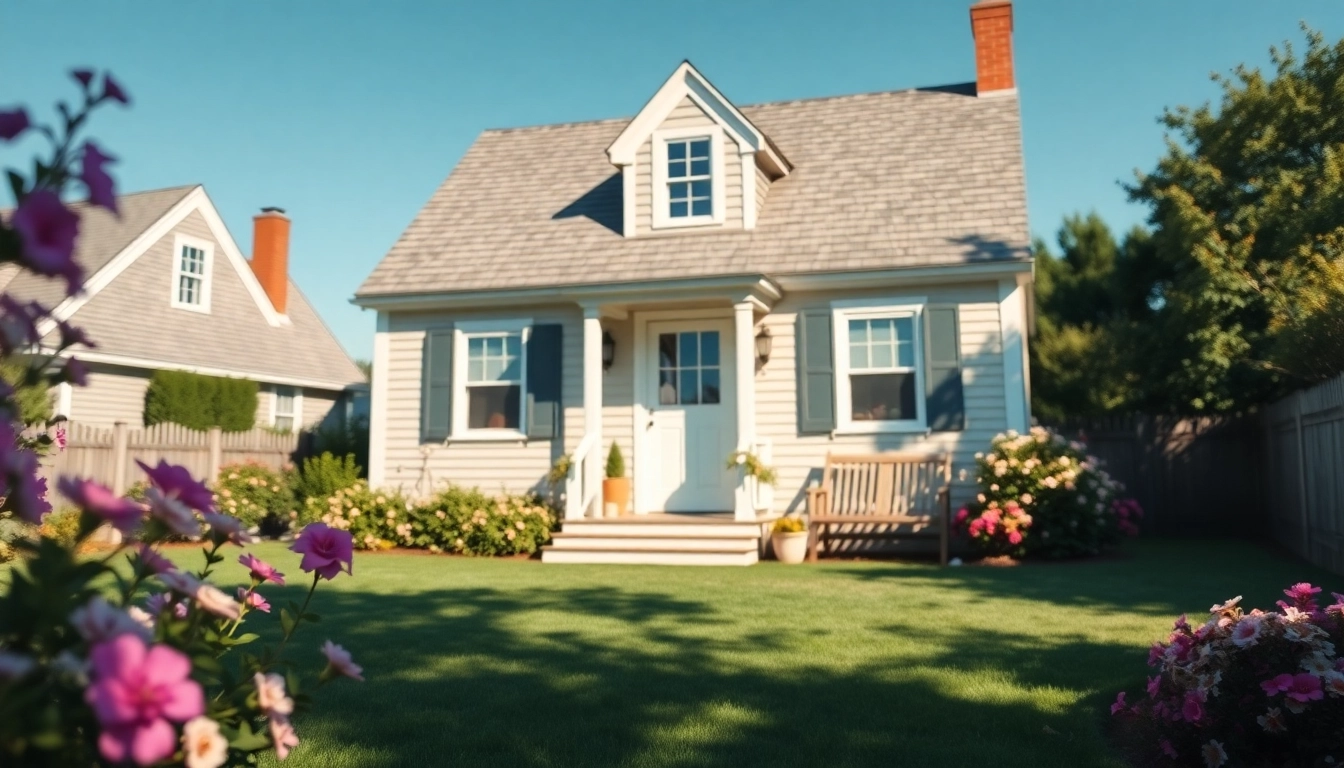
Introduction to Cape Cod Homes
Cape Cod homes are iconic representations of American architecture, primarily characterized by their charming simplicity and functional design. Originating from the East Coast of the United States, particularly Massachusetts, these homes have become synonymous with coastal living and leisure. With their classic lines and inviting atmospheres, they are sought after not just for their aesthetic appeal but also for the lifestyle they offer. For those exploring cape cod homes, understanding their roots and characteristics is essential.
What are Cape Cod Homes?
Cape Cod homes are a distinctive style of house that features steeply pitched roofs, symmetrical facades, and dormer windows. Originally built as simple, one-and-a-half-story homes for the early settlers, these structures were designed to withstand harsh New England winters. They have a straightforward rectangular layout, emphasizing functionality over elaborate decoration. The exterior is typically clad in wood siding, often painted in muted tones that blend harmoniously with the coastal surroundings.
Historical Background of Cape Cod Architecture
The Cape Cod architectural style dates back to the 17th century when English settlers brought their building traditions to America. Inspired by the saltbox houses of England, these early versions had a simple design focused on practicality. Over time, the style evolved but maintained its signature elements, serving as a reminder of the region’s heritage. By the 1930s, the Cape Cod home gained popularity across the United States, especially as summer homes or cottages, reflecting a burgeoning interest in coastal living.
Characteristics of Cape Cod Homes
One of the defining characteristics of Cape Cod homes is their steeply pitched roof, designed to efficiently shed snow during the winter. Typically, these roofs are shingled with wood or asphalt materials. The exterior is adorned with clapboard siding or shingles, often painted white or muted blue, gray, and beige hues to reflect the natural surroundings. Inside, the homes are usually configured in an open layout that maximizes space, featuring hardwood floors, simple moldings, and cozy fireplaces that create a warm ambiance.
Design Elements of Cape Cod Homes
Exterior Features: Roof and Siding
The roof is one of the most striking elements of Cape Cod homes. Usually steep and gabled, it acts as the home’s first line of defense against the elements. The materials used, such as wood shingles or asphalt, not only offer durability but also add to the rustic charm. The siding, typically wood clapboard or cedar shingles, resonates with the nautical theme of the region. Certain homeowners choose to maintain the natural cedar color, while others prefer to paint their homes in soft, coastal colors that align with the surrounding landscape.
Interior Highlights: Layout and Décor
Inside, Cape Cod homes prioritize comfort and simplicity. The layout is generally open, featuring a central living area that flows into the kitchen and dining space, making it ideal for social interaction. Natural light is emphasized through strategically placed windows. Decor tends to lean towards a coastal aesthetic, with nautical-themed accents, light fabrics, and soft color palettes that reflect the beauty of the outdoors. Features like exposed beams and rustic furnishings enhance the warmth and character of the space.
Landscaping Ideas for Cape Cod Homes
Landscaping around Cape Cod homes is typically understated yet elegant, enhancing the natural beauty of the surroundings. Native plants are favored for their ability to thrive in coastal conditions, often seducing the landscape with some seasonal color. Low-maintenance gardens featuring hydrangeas, beach grasses, and daylilies create a quintessential coastal look. Additionally, decorative stone paths and wooden deck areas can provide functional outdoor spaces that resonate with the relaxed lifestyle emblematic of Cape Cod living.
Benefits of Living in Cape Cod Homes
Embracing Coastal Lifestyle
Living in a Cape Cod home allows residents to embrace a relaxed, coastal lifestyle. The architecture promotes outdoor living with its inviting porches and easy access to gardens. Many homes are constructed close to nature, allowing for breathtaking views of the ocean and immediate access to beaches and harbors. This blend of design and location fosters a community spirit centered around outdoor activities, from sailing to beachcombing, enhancing the quality of life.
Energy Efficiency and Sustainability
One often-overlooked benefit of Cape Cod homes is their potential for energy efficiency. Their simple structure can minimize energy costs, especially when updated with energy-efficient windows, insulation, and heating systems. Moreover, the emphasis on natural materials helps ensure sustainability. Homeowners can maximize efficiency by leveraging solar energy, using rainwater harvesting systems, and installing environmentally friendly landscaping that supports local ecosystems.
Investment in Real Estate Value
Investing in Cape Cod homes can often translate to solid real estate opportunities. Their enduring popularity and charm mean that well-maintained homes typically appreciate over time. Properties in desirable locations, close to beaches or in historic districts, often see greater increases in value. Moreover, these homes appeal to a wide demographic, including families, retirees, and summer tourists, making them versatile investments for potential rental income.
Challenges of Cape Cod Homes
Weather Considerations and Maintenance
Despite its beauty, owning a Cape Cod home comes with unique challenges, particularly regarding weather resistance and maintenance. The coastal environment can potentially lead to issues such as wood rot, mold, and erosion. Regular inspections and maintenance are vital to protect the structure. Homeowners should invest in high-quality materials and ensure proper drainage to minimize the impact of storm surges and heavy winds typical in coastal areas.
Insurance and Flood Risk Management
Insurance is another critical aspect for Cape Cod homeowners. Due to the residential locations prone to flooding and severe weather events, property insurance can often be costly. It’s essential for homeowners to be informed about flood insurance and to consider additional coverage to protect against potential storm damages. Employing preventive measures, such as raising the building or installing flood vents, can mitigate risks and lower insurance premiums over time.
Potential Resale Challenges
Reselling a Cape Cod home can present challenges, particularly if the property has not been well-maintained or doesn’t embrace modern amenities that buyers typically seek. Homes that have undergone significant wear and tear or have outdated features may struggle in the current real estate market. Successful resales often rely on the home’s condition, curb appeal, and improvements made over time, underscoring the importance of regular upkeep and thoughtful renovations.
FAQs About Cape Cod Homes
What makes Cape Cod homes unique?
Cape Cod homes are unique due to their steep roofs, simple design, and historical significance, originally crafted to withstand extreme weather.
How do I maintain a Cape Cod home?
Regular inspections, prompt repairs, and seasonal maintenance of the roof, siding, and landscape help preserve the integrity of Cape Cod homes.
What is the typical price range for Cape Cod homes?
Prices for Cape Cod homes can vary widely based on location, condition, and amenities, often ranging from affordable starter homes to luxury coastal properties.
Are Cape Cod homes energy efficient?
Yes, many Cape Cod homes can be made energy-efficient with modern insulation, energy-efficient windows, and sustainable heating systems.
How can I personalize my Cape Cod home?
You can personalize your Cape Cod home by choosing custom decor, enhancing outdoor spaces, or making renovations that reflect your style while respecting the home’s original charm.