
Understanding Mitsubishi Mini Split AC Systems
What is a Mitsubishi Mini Split AC?
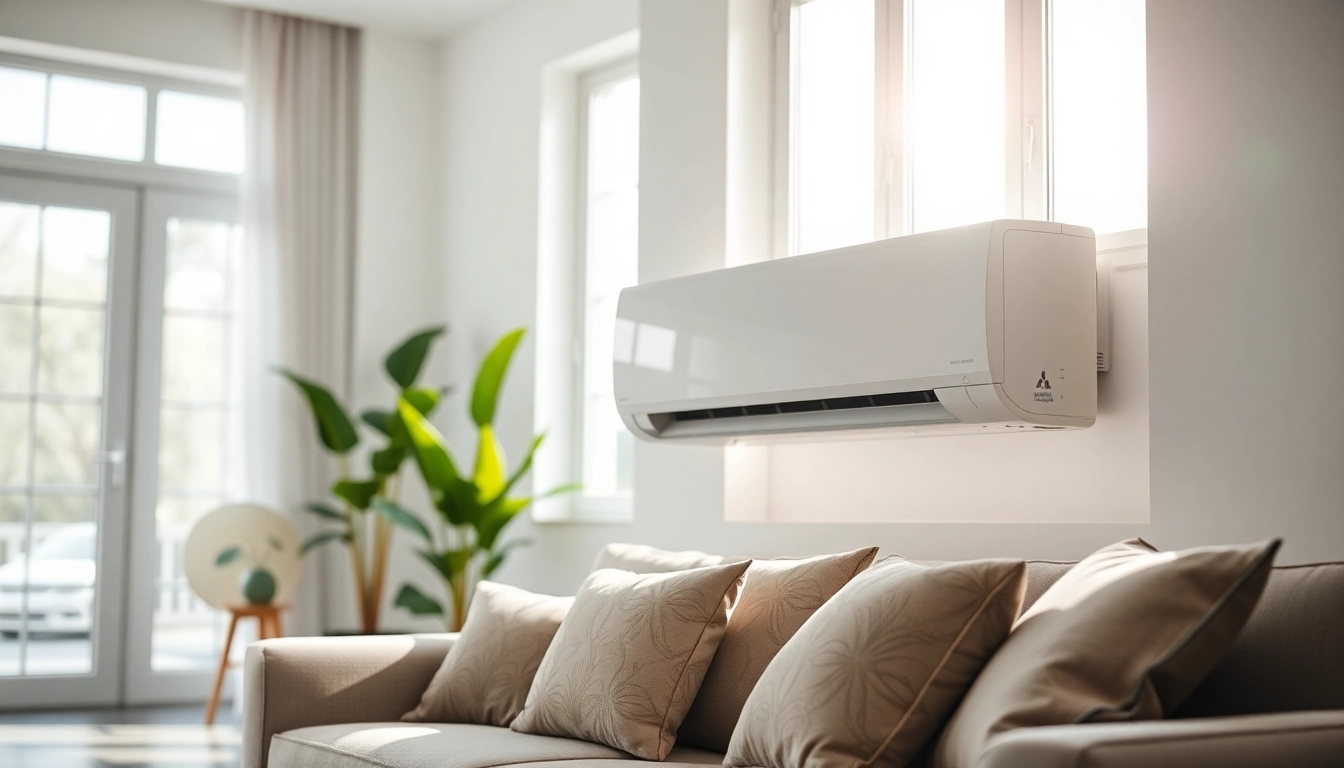
A Mitsubishi mini split AC system is a type of air conditioning system that is designed for flexibility and efficiency in both residential and commercial settings. It comprises two main components: an indoor unit that is installed within the living or working space, and an outdoor condenser unit that is placed outside the building. These systems are known for their ability to cool single rooms or entire homes without the need for extensive ductwork. They provide an effective solution for spaces where traditional HVAC systems may not be feasible due to design constraints or other unique challenges. The mitsubishi mini split ac stands out for its high energy efficiency, quiet operation, and versatile installation options.
How Does a Mini Split AC Work?
Mini split air conditioning systems operate using a refrigerant that absorbs heat from the indoor air and expels it outside. The indoor unit contains an evaporator coil where the cold refrigerant absorbs the heat from the room, lowering the air temperature. The heat-laden refrigerant is then transported through insulated copper lines to the outdoor condenser unit. Once at the outdoor unit, the compressor increases the refrigerant’s pressure, causing it to release the absorbed heat into the external environment. This process is reversible, allowing the system to also function as a heating unit, providing year-round comfort.
Benefits of Mitsubishi Mini Split AC
Mitsubishi mini split AC systems offer numerous advantages. One of the most significant benefits is their energy efficiency. Unlike traditional systems that can lose energy through ductwork, mini splits provide targeted cooling directly where it’s needed, reducing energy waste. Additionally, they operate quietly, making them ideal for bedrooms and office spaces. Their compact design allows for flexible installation in various settings—from attics to basements. Moreover, with advanced features like programmable settings and multi-zone capabilities, Mitsubishi mini splits optimize comfort in a customizable manner. Finally, the system typically requires less maintenance than traditional air conditioning systems, thanks to fewer moving parts.
Choosing the Right Size for Your Space
Calculating BTU Requirements
Choosing the right size Mitsubishi mini split AC is crucial for efficient operation. The efficiency of an air conditioning system is often measured in British Thermal Units (BTUs). To calculate the BTU requirements for a room, start by assessing the area in square feet. A general guideline is to allocate approximately 20 BTUs per square foot. However, factors such as room height, insulation quality, climate, and the number of occupants should also be considered, as they can significantly impact cooling needs.
Room Size and Layout Considerations
The layout of the room plays a critical role in determining the ideal Mitsubishi mini split AC unit size. For instance, rooms with high ceilings may require additional cooling power due to the greater volume of air that needs to be conditioned. Open-concept spaces may require more than one unit to ensure consistent temperatures throughout. Conversely, smaller, enclosed spaces might need less BTU capacity. A comprehensive assessment of air flow, room layout, and potential heat sources like windows and appliances is essential.
Common Sizing Mistakes
One common mistake is opting for a unit that is too small, which can lead to inadequate cooling and increased energy consumption as the system works harder to reach desired temperatures. Conversely, choosing an oversized unit can result in short cycling, where the system cools the space too quickly, failing to effectively dehumidify it. It’s essential to rely on precise calculations rather than assumptions to avoid these pitfalls, ensuring the Mitsubishi mini split AC runs efficiently and effectively.
Installation Tips for Optimal Performance
Pre-Installation Checklist
Before proceeding with the installation of a Mitsubishi mini split AC, it’s important to perform a comprehensive pre-installation checklist. This includes verifying that all necessary tools and equipment are available, assessing the location of the indoor and outdoor units for optimal airflow, and ensuring access to power sources. Additionally, it’s advisable to check local building codes and regulations to guarantee compliance with installation practices.
Professional vs. DIY Installation
While a Mitsubishi mini split AC system can technically be installed by experienced DIY enthusiasts, professional installation is generally recommended. Professionals are better equipped to ensure that the installation is done correctly, optimizing performance and security. They can also handle complex aspects such as electrical connections and refrigerant charging, which require specialized knowledge and tools. However, for those who are experienced in HVAC systems, a DIY installation can be a satisfying and cost-effective option.
Common Installation Issues
Some common installation issues include improper refrigerant levels, faulty electrical connections, and suboptimal positioning of the indoor and outdoor units. Ensuring that the units are mounted on stable surfaces away from obstructions is crucial for long-term performance. Moreover, it’s essential to check the insulation on refrigerant lines to prevent energy loss. For those unfamiliar with HVAC systems, enlisting the help of a professional can mitigate these risks and enhance system efficacy.
Maintenance for Longevity and Efficiency
Regular Cleaning and Inspection
To maintain the efficiency and longevity of your Mitsubishi mini split AC, regular cleaning and inspection are crucial. Start by cleaning the filters monthly to prevent reduced airflow and overheating. It’s also recommended to inspect and clean the outdoor unit regularly, removing leaves, debris, and dirt that may block air intake. Checking for leaks in the refrigerant lines and ensuring that the condensate drain is clear will help prevent mold growth and maintain optimal performance.
Signs Your Mitsubishi Mini Split AC Needs Service
Be vigilant for signs that your Mitsubishi mini split AC may need servicing. Unusual noises, reduced airflow, and inconsistent cooling are common indicators of problems. Additionally, if you notice an increase in energy bills without changes in usage or if the system is leaking refrigerant, it is time to call in a professional. Addressing these issues promptly can help avoid more significant repairs down the line.
Seasonal Maintenance Tips
Seasonal maintenance is key to ensuring your Mitsubishi mini split AC operates at peak efficiency throughout the year. Before the cooling season begins, perform a thorough inspection and cleaning of all components. In autumn, prepare the unit for winter by ensuring that it is covered if it will not be in use. Additionally, schedule an annual professional maintenance checkup to identify and address potential issues before they require extensive repairs.
FAQs About Mitsubishi Mini Split AC Units
What is the lifespan of a Mitsubishi mini split AC?
The lifespan of a Mitsubishi mini split AC can typically range from 15 to 20 years, depending on usage plans, maintenance quality, and installation accuracy.
Can I use a mini split AC for heating?
Yes, many Mitsubishi mini split AC models are dual-purpose and can provide efficient heating through a heat pump feature, making them versatile for year-round climate control.
How energy efficient are Mitsubishi mini split ACs?
Mitsubishi mini split ACs are known for their high energy efficiency ratings—often achieving SEER ratings above 20, which can lead to significant cost savings on energy bills.
What features should I look for?
When considering a Mitsubishi mini split AC, look for features such as inverter technology, programmable thermostats, multiple zone capabilities, and advanced filtration systems for optimal performance.
Can I install it myself?
While experienced DIYers may attempt to install a Mitsubishi mini split AC, professional installation is generally recommended to ensure optimal performance and compliance with safety standards.